-
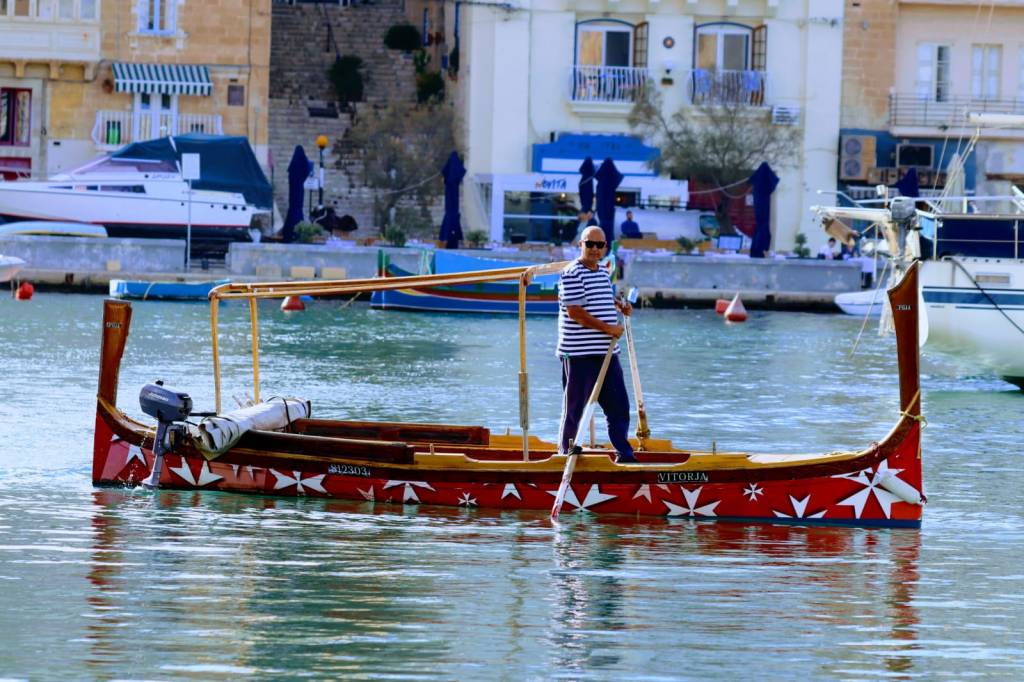
Dgħajsa tal-pass: The Traditional Maltese Boat
The dgħajsa (pronounced “djay-sa”) is one of Malta’s most iconic cultural treasures. Elegant, agile, and steeped in centuries of tradition, this small rowing boat has served as a vital lifeline across Malta’s harbours for hundreds of years. More than just a means of transport, the dgħajsa is a living symbol of the island’s rich maritime heritage — a link between past and present, function and artistry, community and identity.
Origins and Historical Context
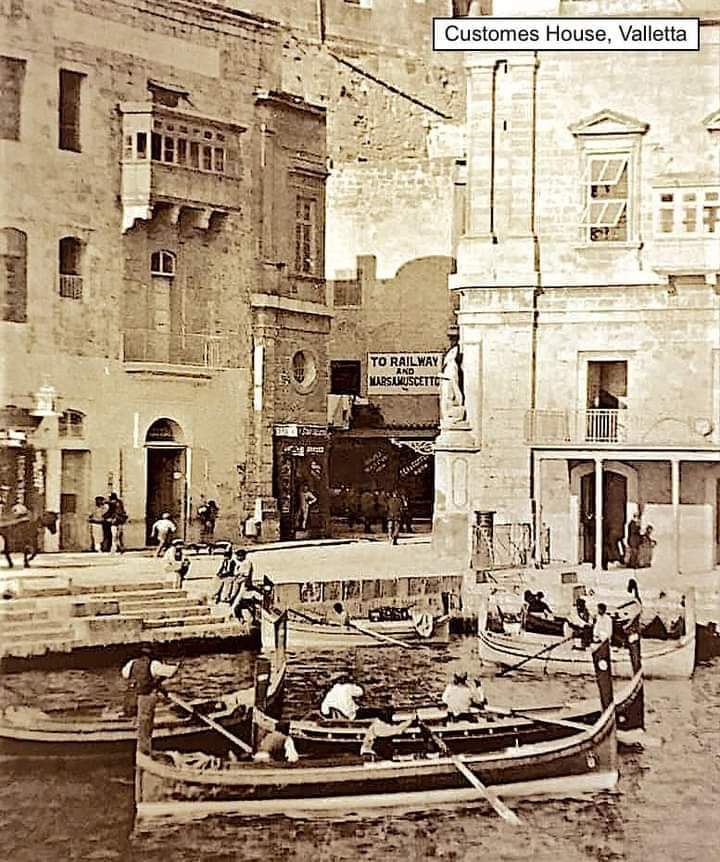
The story of the dgħajsa dates back to at least the early 1600s, during the height of the Order of St. John’s rule over Malta. As the bustling Grand Harbour developed into a key naval and trading hub, a need emerged for small, nimble boats to ferry people between ships and shores, and from one side of the harbour to the other.
The dgħajsa — sometimes referred to as dgħajsa tal-pass (boat for passage) — evolved to meet this demand.
For more historical pictures visit our Photo Gallery!
Early influences came from Sicilian and other Mediterranean boat designs, but over time, the Maltese added their own distinct craftsmanship and decoration, creating a vessel that was uniquely theirs. By the 18th and 19th centuries, the dgħajsa had become an integral part of daily life in Valletta, the Three Cities, and across the waterfront communities.
Design and Craftsmanship
Traditional dgħajjes are small, narrow, and hand-built using a carvel-planked technique. They typically measure between six and seven meters long, and are designed to sit low in the water, allowing passengers to embark or disembark easily. The boat is rowed by a single boatman, or barklor, who stands at the stern and uses two long oars, pushing rather than pulling — a rowing technique distinctive to Malta.
One of the most recognizable features of the dgħajsa is its high, curved bow and stern, often beautifully carved and painted. These decorative stems originally helped protect the boat during docking and gave it a regal silhouette. Over time, this shape became more upright and stylistically refined. Many dgħajjes are elaborately painted in bright reds, yellows, blues, and greens — echoing the color schemes of Malta’s traditional fishing boats, the luzzu. Additionally, most dgħajjes feature an eye painted near the bow — believed to be the Eye of Osiris — meant to protect the boat and its passengers from harm.
Beyond their practical function, the boats often serve as artistic expressions. Some dgħajjes feature carvings of religious symbols, royal emblems, or floral motifs. During the British colonial period, some bore crests like Britannia or St. George, reflecting the boatmen’s pride in their profession and their country’s status.
Visit our Video-Gallery to discover how we build our boats!
Social and Economic Role
In their heyday — particularly during the 19th and early 20th centuries — dgħajjes were everywhere. They served sailors, dock workers, locals, and tourists alike. For many Maltese families, piloting a dgħajsa was a respected profession passed down through generations. The Grand Harbour alone had over 1,300 licensed boatmen at one point.
The boats were vital in transporting passengers, goods, and even messages between moored ships and land. In a time before bridges or modern ferry services, the dgħajsa offered the fastest and most flexible means of harbour transport.
There were also specialized versions of the dgħajsa used by harbour pilots — highly skilled navigators who guided ships safely through Malta’s treacherous coastal waters. These boats were often reinforced and rigged with sails, known as dgħajsa tal-latini, and some examples still survive in museums or private restoration projects.
Decline and Reinvention
Like many traditional crafts, the role of the dgħajsa began to fade in the mid-20th century. The rise of steam ferries, motorboats, cars, and buses reduced the need for hand-rowed boats. After World War II, most dgħajjes were fitted with small outboard motors, and the number of working boatmen dropped sharply.
Despite this decline, the dgħajsa never completely disappeared. A handful of dedicated families and cultural institutions worked to preserve the tradition. Today, the dgħajsa survives as both a cultural artifact and a tourist attraction. Rowing is still practiced in ceremonial regattas held twice yearly in Valletta — on March 31st and September 8th — where different boat classes, including the dgħajsa, compete in honour of Malta’s maritime legacy.
In recent years, preservation efforts have intensified. Heritage Malta and local NGOs support the restoration of classic boats, and grants are available to help maintain the traditional paint and structure. The few remaining original barklori now often operate tours, taking visitors on authentic rides through the Grand Harbour, offering not just views of the fortifications but also a journey into Malta’s seafaring soul.
Symbolism and Identity
The dgħajsa is more than just a boat. It is a national icon — as recognizably Maltese as the Luzzu, the Ġgantija Temples, or the balconies of Valletta. Its continued presence in the harbours of Birgu, Senglea, and Valletta represents resilience, pride, and a connection to a slower, more poetic past.
Some dgħajjes have even become canvases for modern artistic expression. In recent years, contemporary artists and designers have reimagined the boats with futuristic or abstract paintwork, blending old forms with new ideas. These projects have sparked conversations about cultural preservation and innovation, helping younger generations reconnect with maritime history in creative ways.
Experiencing a Dgħajsa Today
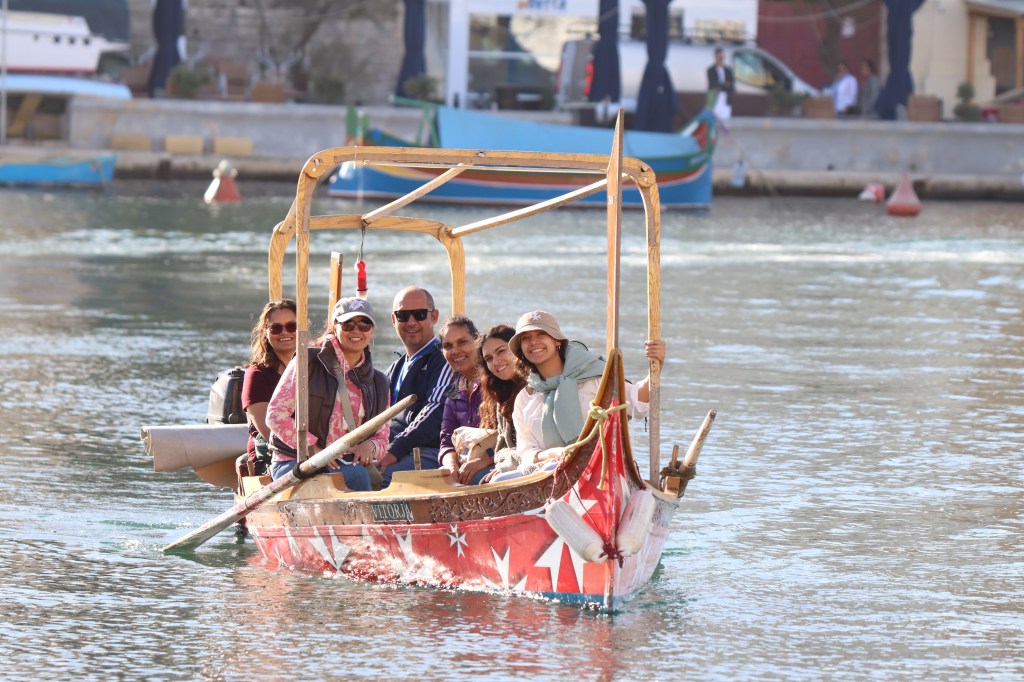
For visitors to Malta, riding a dgħajsa remains one of the most authentic ways to experience the island. Glide across the calm waters of the Grand Harbour, surrounded by centuries-old forts, watching the skyline of Valletta rise from the sea. Hear the splash of the oars and the stories of the boatman who rows them — often a person whose family has done so for generations.
Many tour operators and local cooperatives now offer dgħajsa rides as part of heritage tours, especially from Valletta’s waterfront or across to the Three Cities. Some of the boats have been adapted slightly for comfort and safety, but most still retain their original wooden form and brilliant paintwork. Watch our videos: we are on a TV Program – Oh My Malta!
Amazing trip to Valletta! So lovely and helpful!
Ivan is an amazing boat man of traditional maltese boats. We enjoyed our trip really. Thanks!
Amazing trip! I’ll be recommending it to everyone I know!
— Sergio
